
Focus on the Arctic
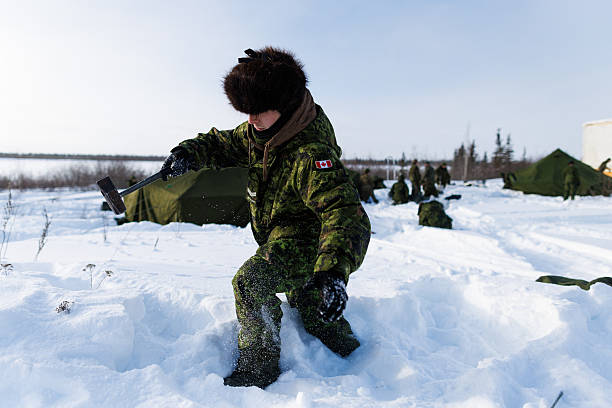
Canadian soldiers setting up camp during Operation Nanook, the Canadian Armed Forces' annual Arctic training and sovereignty operation, in Inuvik, Northwest Territories.
The Arctic, traditionally characterized by its harsh environment, was long managed through a strong tradition of multilateral collaboration. Institutions such as the Arctic Council were vital to this culture, enabling direct communication between member states, the Inuit, and other Indigenous groups (known as the Permanent Participants). For many years, the Council acted as the primary venue for developing crucial Arctic accords. Its focus was on promoting sustainable growth, reducing the hazards of environmental mishaps, and addressing ecological decline. This foundation of shared effort sought to safeguard the region’s common interests, even as climate change began altering its physical geography.
The Geopolitical Break: From Shared Goals to Rivalry
The status quo, which had endured for decades, was sharply interrupted by Russia’s full-scale invasion of Ukraine in 2022. The resulting diplomatic fallout prompted the seven non-Russian members of the Arctic Council (the A7) to declare a temporary cessation of activities in protest. Russia has since largely stopped providing funds and participating, leaving the central body for regional governance significantly impaired. Consequently, the area...